
I am an award-winning editor driven by the challenge of finding engaging and memorable ways to tell complex stories. Over 15 years in journalism, I have focused on editing, creating and leading ambitious visual- and data-first stories, investigations and experiments with story format. From ideation to publication, I focus on what best serves the story and the audience while exploring opportunities to experiment with story format and presentation. I have managed large, cross-functional teams of reporters, data editors and visual journalists and as a senior newsroom leader, I have developed coverage plans for breaking news, investigations and enterprise projects.
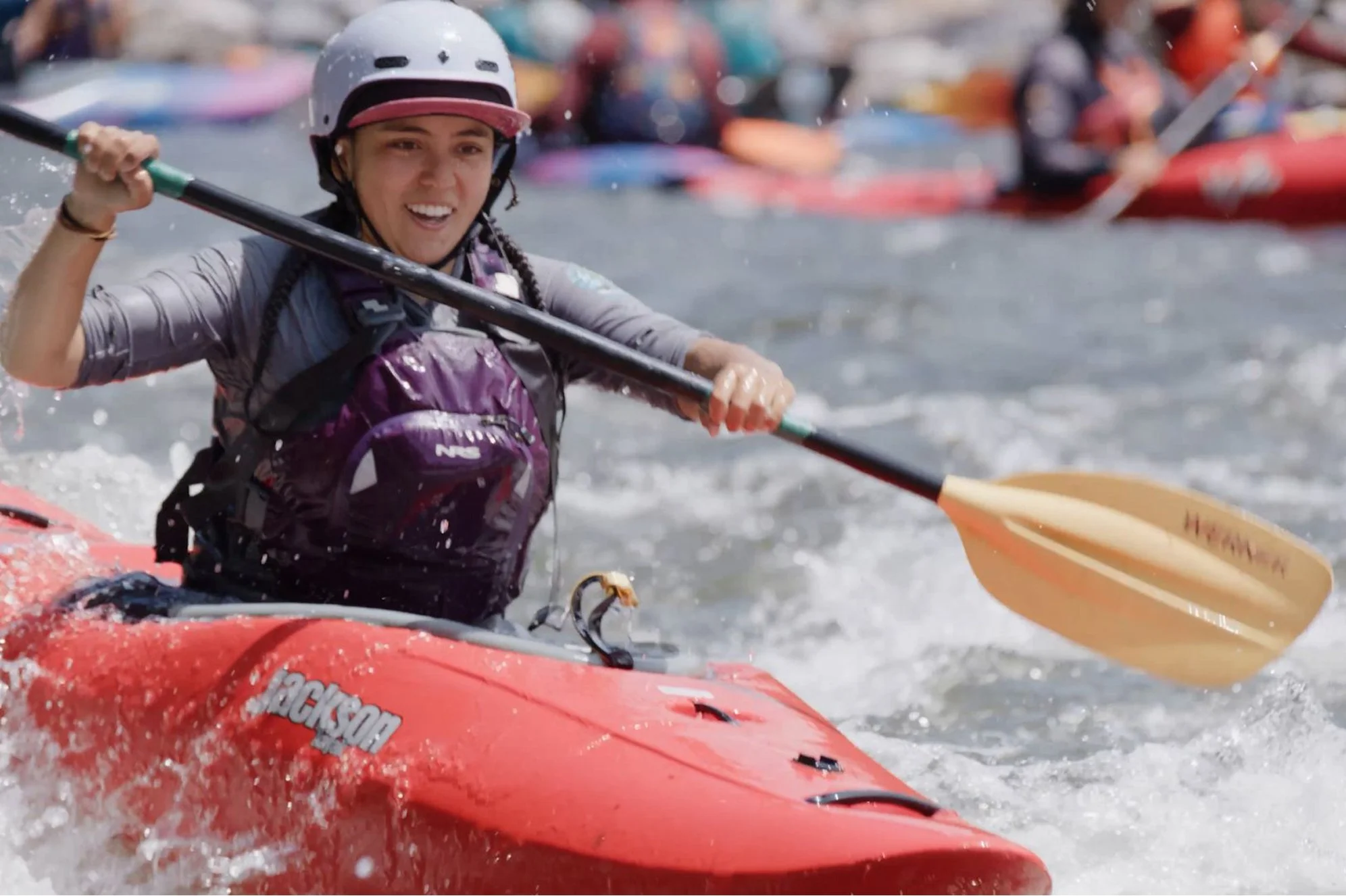
15 teens. 300 miles. One mighty ancestral river, running free.
The Washington Post gained extraordinary access to follow 15 Indigenous teenagers as they prepared for and embarked on a grueling ride down the Klamath River, newly freed from the constriction of four dams. As visual editor, I helped sharpen the integration of visuals and text for a new visual-first story format that draws inspiration from off-platform social apps and short-form news content. Stunning visuals drive the narrative from start to finish and propel the reader forward, resulting in a truly immersive experience, where the story's narrative structure and presentation don’t just immerse the audience in the thrilling descent but mirror the voyage itself.

Kerr County, Texas floods
I helped shape The Post’s breaking news coverage of the Texas Hill Country floods in July 2025, with a particular focus on strengthening our visual report, graphics editing and managing collaboration between multiple reporting teams and visual journalists. I guided the integration of accountability reporting with a visual breakdown of the floodwaters into an ambitious story on the time that elapsed between a severe flood warning and the evacuation of campers at Camp Mystic. The powerful investigation seamlessly integrates immersive graphics showing how the flood waters rose and overtook the camp. We also marked the historic nature of the tragedy with a distinctive story memorializing the young victims.

Abused by the Badge
I was the lead editor on the final story in The Post’s series documenting police officers accused of sexually abusing children. The ’perfect ’ predator is an immersive multimedia investigation into the impact of a police chief’s abuse in a small Texas town. I managed brainstorming, defined storytelling objectives and guided a team of two reporters, a photographer, videographer and designer-developer as they cataloged reporting takeaways and visual assets. As they storyboarded, I challenged the team to think strategically about how different assets might work together to serve the narrative in a way that felt cohesive and accessible to the audience. One of the key editorial decisions I drove was shifting the structure from a traditional chronological narrative to a character-driven approach that emphasized compelling scenes and visual moments. This reframing gave the narrative more momentum and strengthened the emotional impact. For the year-long series, I also managed a cross-departmental team of 50 journalists, coordinated production workflows, edited the about the investigation page and developed launch and promotion strategies. The project was a semifinalist for the Goldsmith Prize for Investigative Reporting and winner of the OJA Innovation in Investigative Journalism Award.

Discord Leaks
Over several months, I led a cross-departmental team responding to the leak of hundreds of classified documents on Discord. I organized breaking news coverage, managed operational security and guided collaboration across departments on a rapidly developing story. In addition to the breaking news effort, I managed a smaller investigative team focused on long-term enterprise, shaping reporting targets and the scope of a year-end package of stories, in collaboration with the National Security editor. For the long-term enterprise package, I worked with our lead reporters to develop an audience-first explainer, “The Discord Leaks, explained,” that distilled months of reporting and exclusive findings. I line-edited the story, which we packaged with the Emmy-nominated “The Discord Leaks” documentary produced in collaboration with PBS Frontline. I helped to manage our partnership with Frontline leadership, and contributed to editorial development for the documentary, including script edits and final sign-off. The Post’s Discord Leaks coverage was a semifinalist for the Goldsmith Prize for Investigative Reporting and nominated for two News and Documentary Emmy Awards.

The Pegasus Project
I was a lead editor on The Washington Post’s reporting for The Pegasus Project, a collaborative investigation into military-grade spyware by 17 news organizations coordinated by Forbidden Stories. I managed The Post’s team of more than 50 journalists, coordinated with external partners, oversaw planning and execution of 15 stories, a video, a podcast episode and a landing page and guided the ambitious week-long project launch. I directly oversaw graphics, visual reporting and presentation. My editing helped ensure that complex reporting was translated into clear, consistent visual storytelling across formats and platforms, including web, Apple News, video, newsletters, social and print. The Forbidden Stories network, The Washington Post and the Guardian were recognized with the Polk Award for Technology Reporting and the OJA Innovation in Investigative Journalism award for the Pegasus Project.

These five cities help explain why homicide rates are down across the U.S.
For this investigation, The Post analyzed data from 52 large police departments and visited five cities to examine a sharp decline in homicide rates. The multimedia-rich presentation was the result of strong early collaboration between The Post’s national, data, graphics, photo and design teams. As one of the co-editors, I shaped narrative priorities and edited the introduction and graphics. I ensured that the top of the story and graphics led with clear, investigative findings. Furthermore, I guided the lead reporter, data reporter and graphics reporter through storyboards and refinements to the scrolling opening sequence.
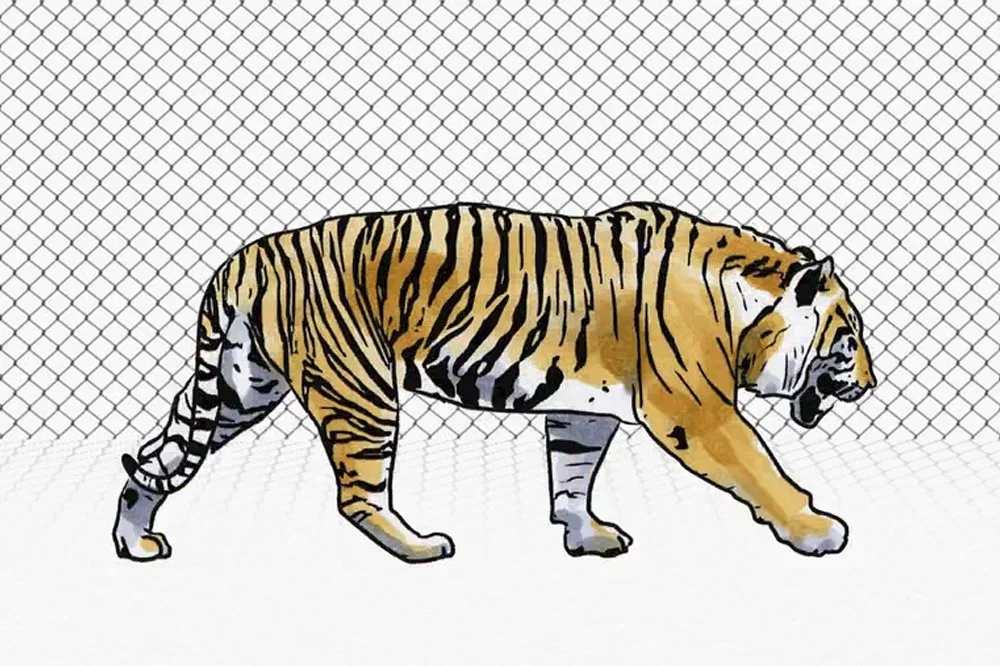
Tracking the tiger butcher
This project, investigating the tiger trade in Laos, was among The Washington Post’s first experiments integrating narrative, character-driven storytelling with an immersive visual presentation. I led ideation, design and development for an innovative story approach that tightly wove text, photos, graphics, video and audio, continually focusing on the optimal reader experience. To execute this innovative approach and ensure a seamless presentation, I worked with our managing editor and multiple stakeholders from reporting teams, graphics, photo and video. We continually returned to the question — what should the reader see, hear or read this moment? Reporter Terrence McCoy and I were runners-up for The Overseas Press Club’s Kim Wall Award for creative and dynamic digital storytelling techniques.
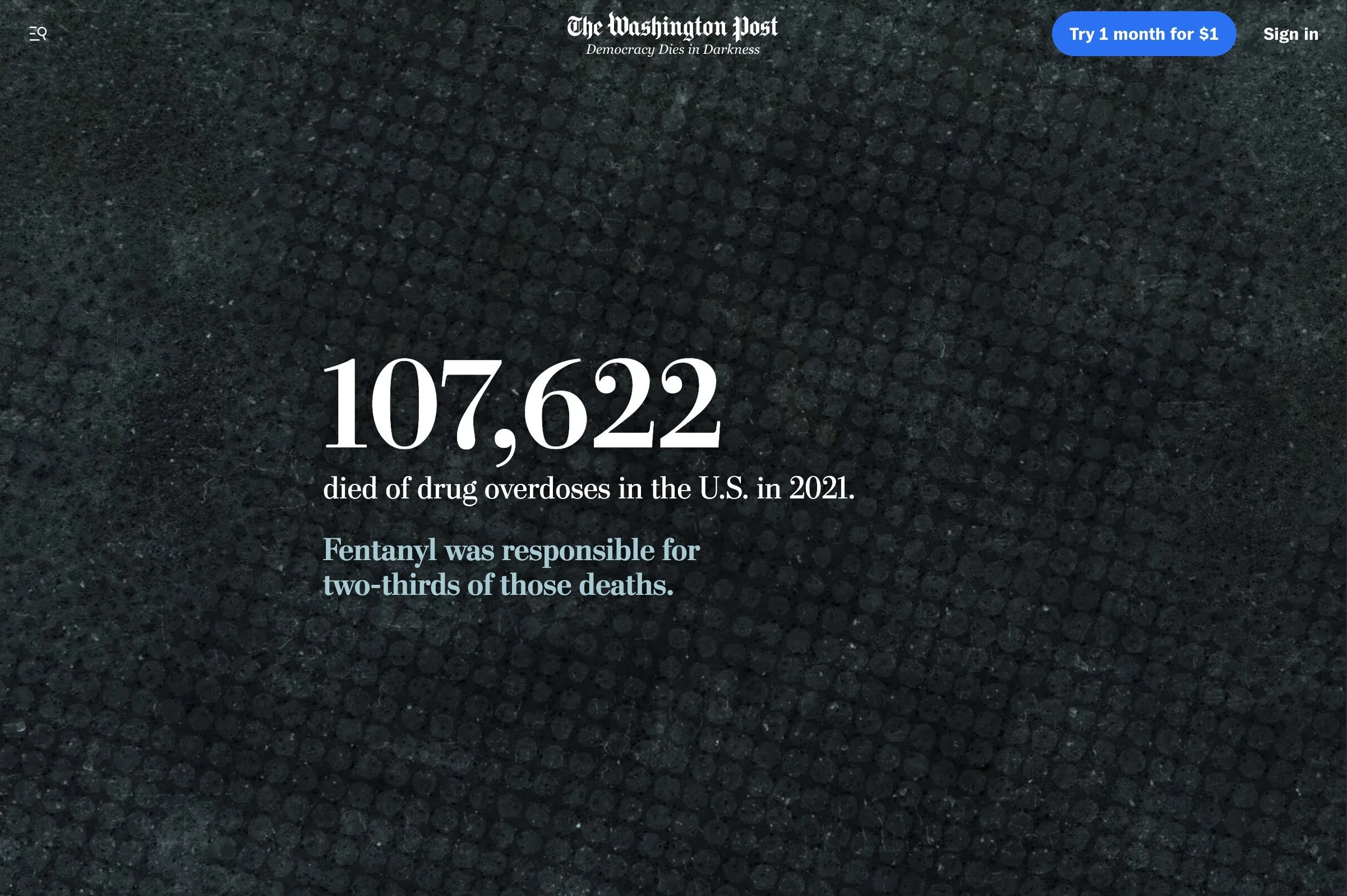
Cartel RX
As one of the lead editors, I helped set the scope of a year-long investigation tracing the fentanyl epidemic from Mexican labs to U.S. streets, and I managed a team of more than 45 Washington Post journalists who contributed to the reporting, design, production and promotion of the investigation. I developed and anchored the overview story that launched the series. And I shaped and oversaw an ambitious four-day rollout strategy for the seven-part series, which revealed how government failures aggravated the worst drug crisis in American history. The project was a finalist for the 2023 Pulitzer Prize in Public Service.
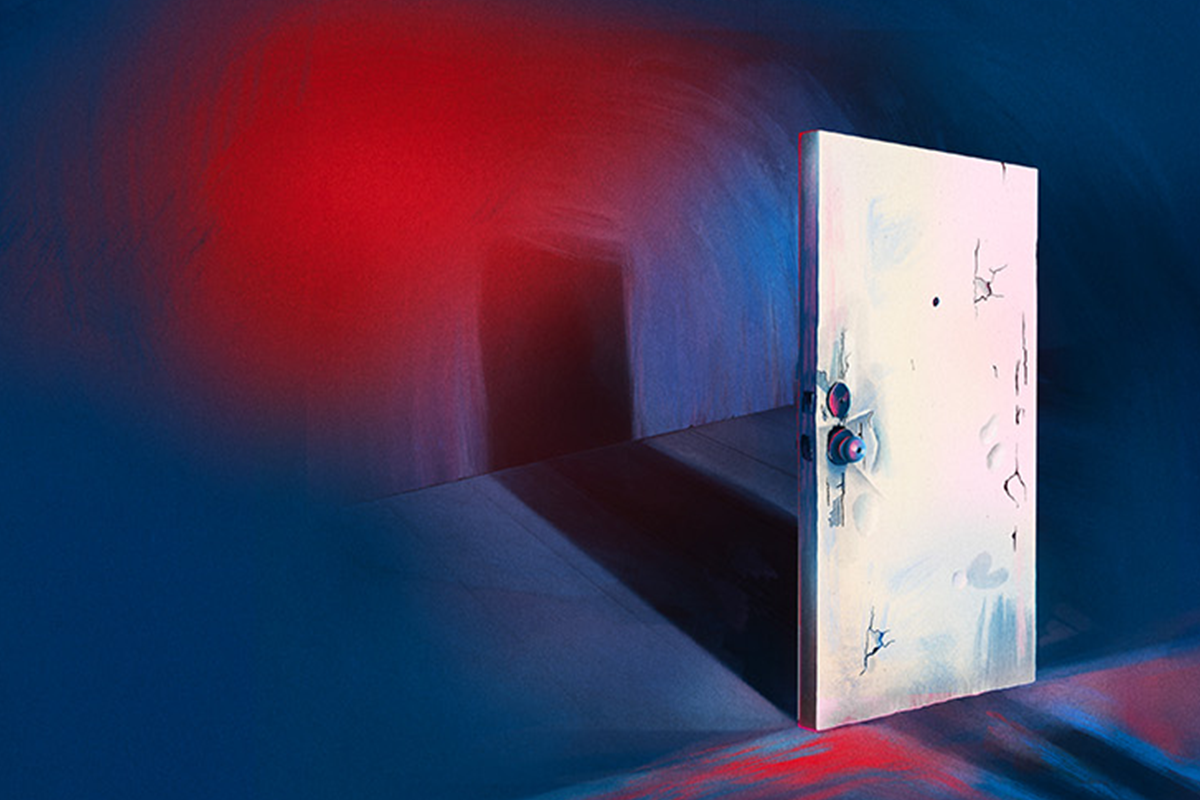
Broken Doors
I coordinated production and a team of 35 journalists for “Broken Doors,” an investigative podcast exploring how no-knock warrants are deployed in the American justice system. As a contributing editor, I developed a coverage plan and launch strategy to support the 6-episode podcast that included a trailer, digital landing page, FAQ, Washington Post Live event, behind-the-scenes Q&A, takeaways and two accompanying stories detailing findings from the investigation. I edited the digital landing page and Q&A, and co-wrote the FAQ and project takeaways. “Broken Doors” was awarded the Robert F. Kennedy Journalism Award and was a finalist for the 2023 Pulitzer Prize in Audio Reporting.

Tokyo and Beijing Olympics
Alongside a partner from the product team, I led a cross-functional working group to scale collaboration for The Washington Post’s Tokyo and Beijing Olympics coverage. We benchmarked goals to support better user experience, deepen engagement and grow our audience and aligned newsroom, product, engineering, subscriptions, PR and marketing teams on key initiatives including the live article experience, design system, medal and schedule tables and SMS digest. I helped coordinate newsroom coverage plans and was an editor for the Olympics landing page, Les Carpenter’s video diary from Beijing, the U.S. medalists project, and the augmented reality and interactive video project, Future of the Summer Games.
➜ View coverage: Tokyo Olympics | Beijing Olympics
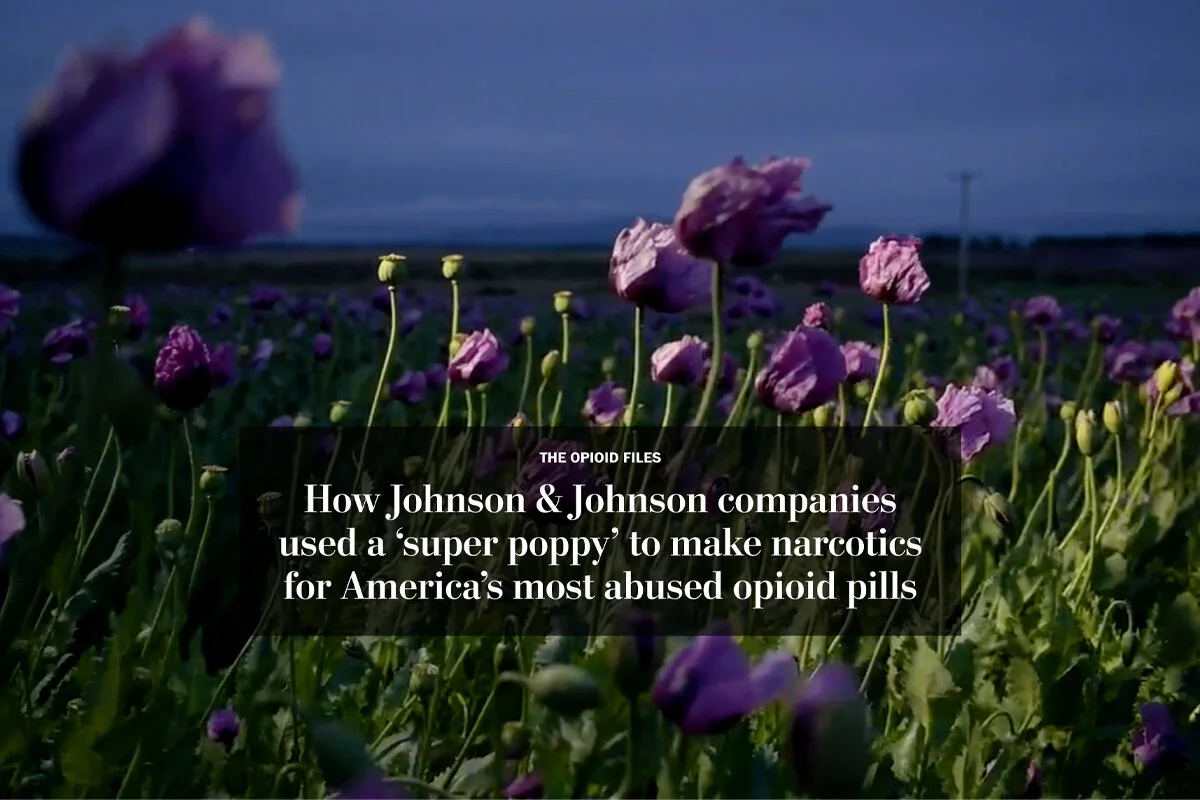
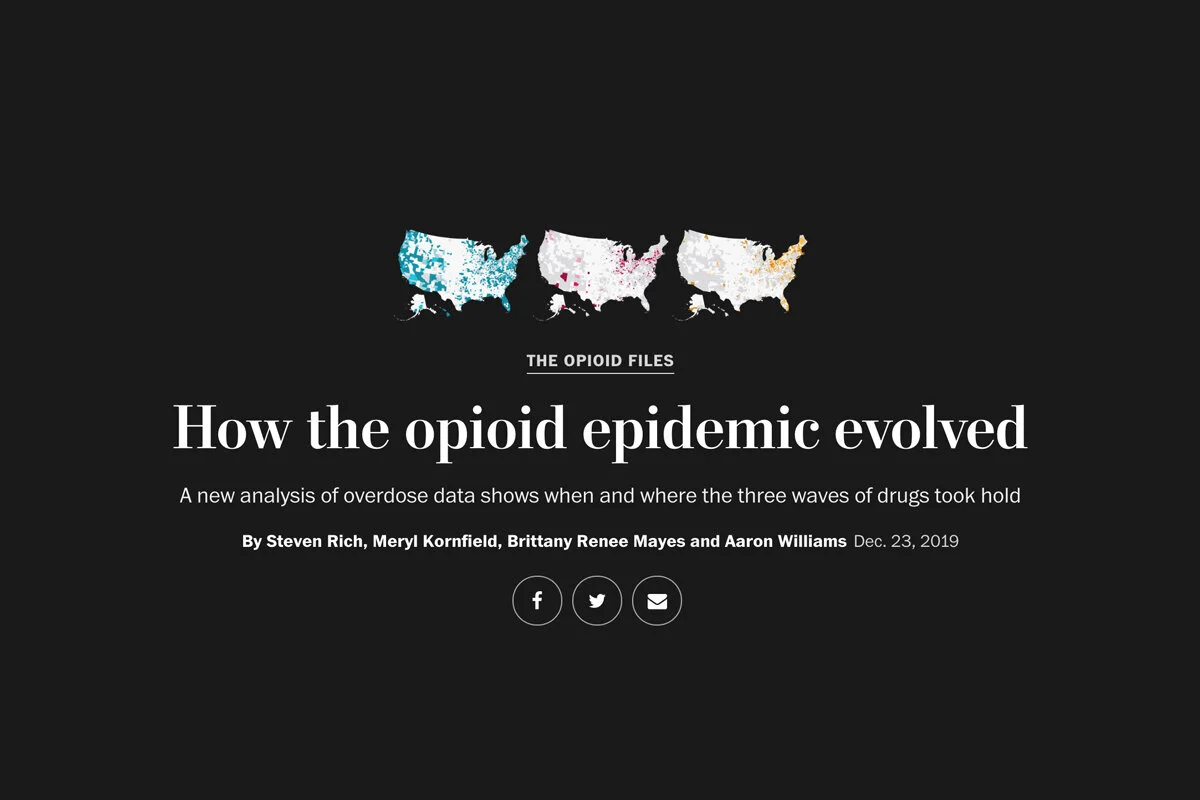
The Opioid Files
I spent more than two years editing and designing visual and investigative stories for The Post’s investigation into the opioid crisis. I helped project manage the years-long series, facilitating collaboration between multiple desks and shaping coverage plans. I scoped and designed a multimedia-rich investigation into a Tasmanian ‘super poppy’. We experimented with story format on an analysis of how the opioid epidemic evolved, aiming to organize and visualize our findings in a useful way for readers. I was one of the lead editors on the interactive graphics story. Visual teams worked together to produce a quick-turn multimedia project on victims of the opioid crisis in rural Virginia, which I co-developed with another designer. The Washington Post was a 2020 Pulitzer Prize Finalist in Public Service for The Opioid Files.
➜ View coverage: Tasmanian ‘super poppy’ | How the opioid epidemic evolved | They were devastated by pain pills. Now they demand justice.